Bathrooms
Bathroom tile ideas, with what each tile costs
The tile does most of the work in a bathroom. Six looks from the year's best bathrooms, with what each costs per square metre, and what a tiler charges to lay it.
Picked by Jacob · 3 October 2026 · 10 min read
Labour is on top of the tile: hipages puts tilers at about $45 to $150 per square metre, around $60 on average for bathrooms, and an average 3 m by 2 m bathroom's tiles at about $2,200.
Six bathroom tile ideas
1. Handmade subway tiles
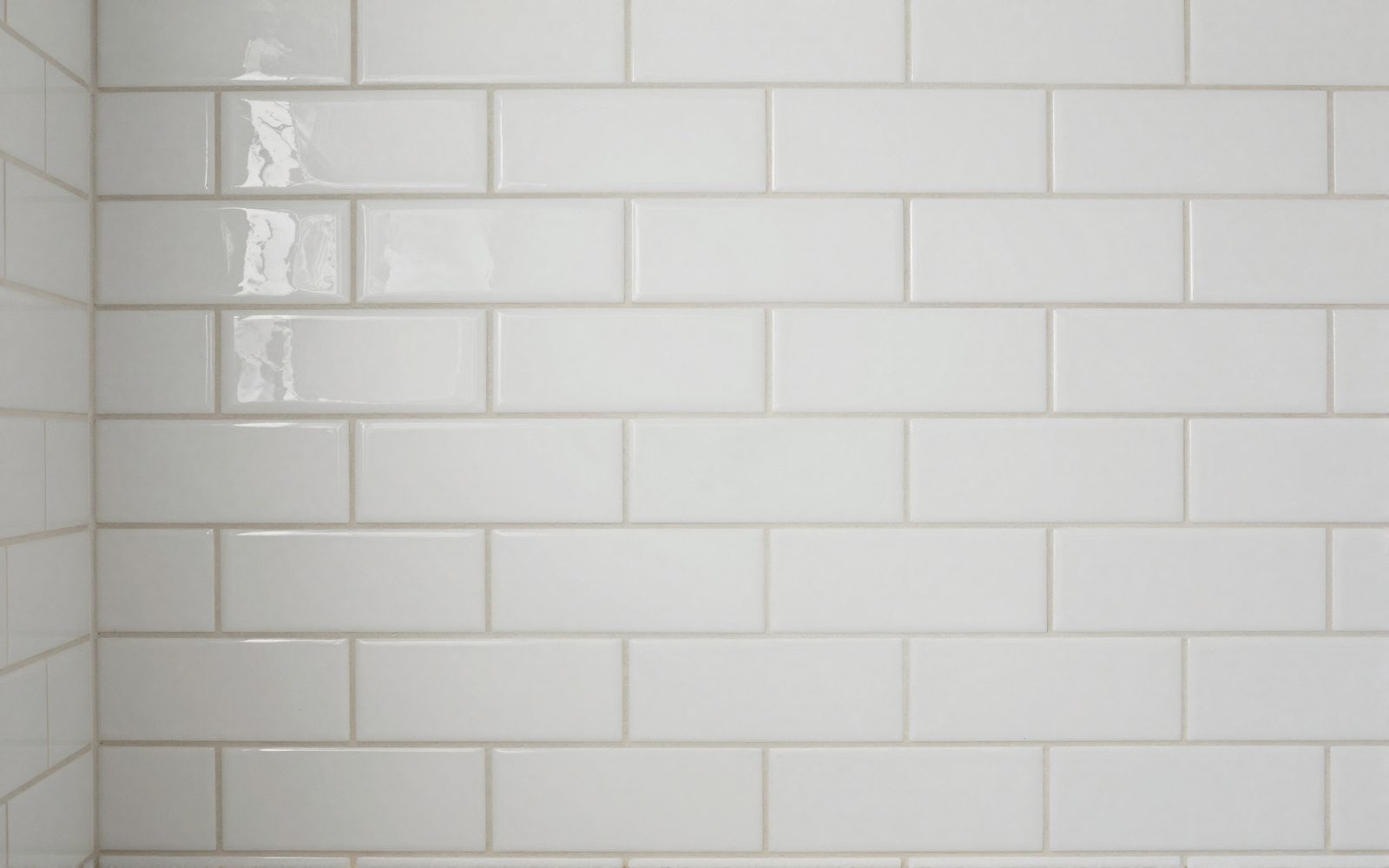 Handmade Spanish gloss subway about $86/m² (hipages)
A classic that looks richer handmade: the uneven glaze catches the light. Standard white ceramic wall tiles cost $20 to $28 per square metre; handmade Spanish white gloss subway tiles about $86.
2. Terrazzo
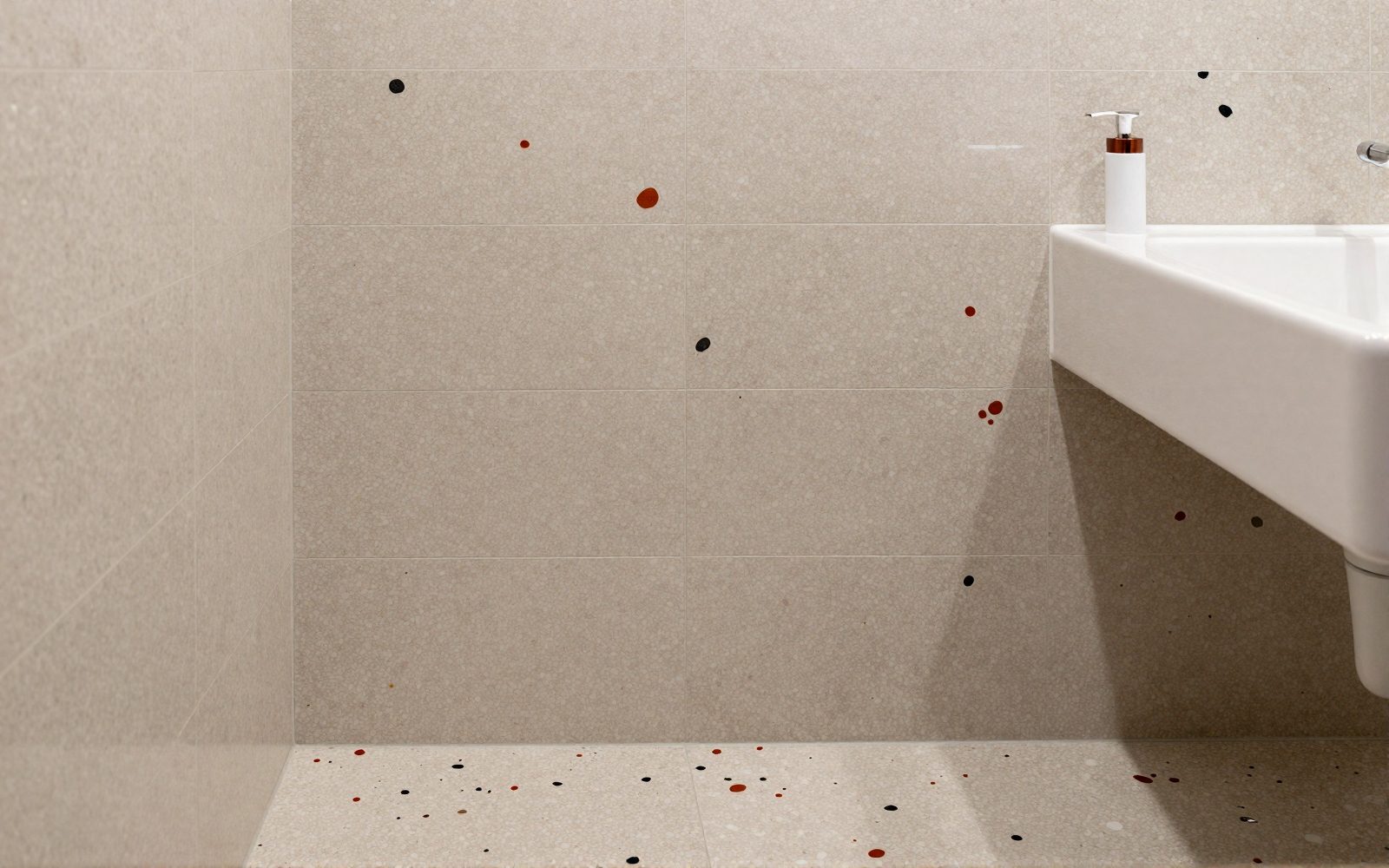 Porcelain and stone-look tiles $50 to $150/m² (hipages)
Flecked stone looks warm and hides water marks. Terrazzo-look porcelain sits in the porcelain price band, $50 to $150 per square metre.
3. Large-format stone-look porcelain
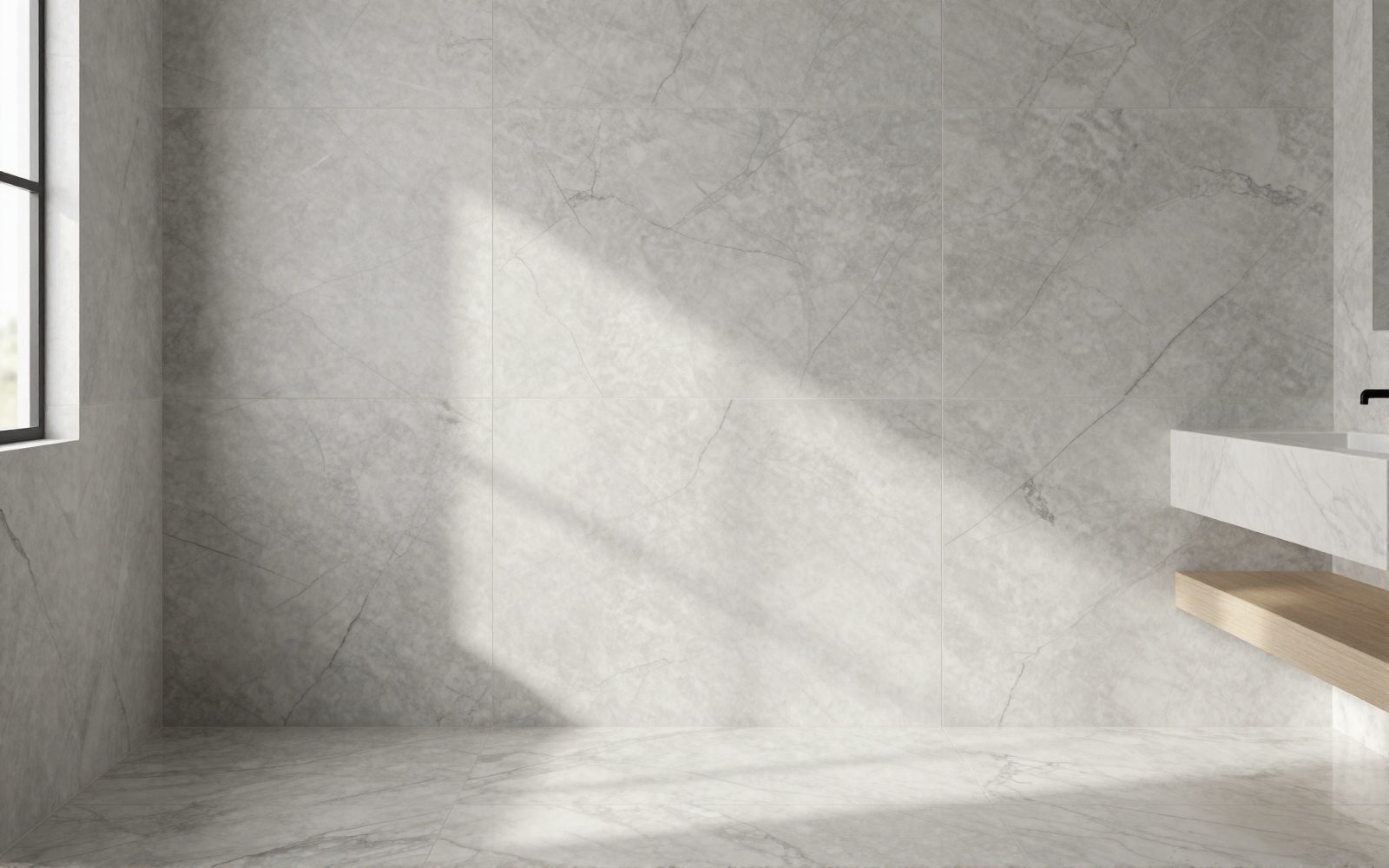 High-quality porcelain $50 to $100/m² for floors (hipages)
Big slabs with thin grout lines make a small bathroom look larger and read as stone for less. High-quality porcelain floor tiles cost $50 to $100 per square metre; real natural stone $80 to $130.
4. Finger tiles
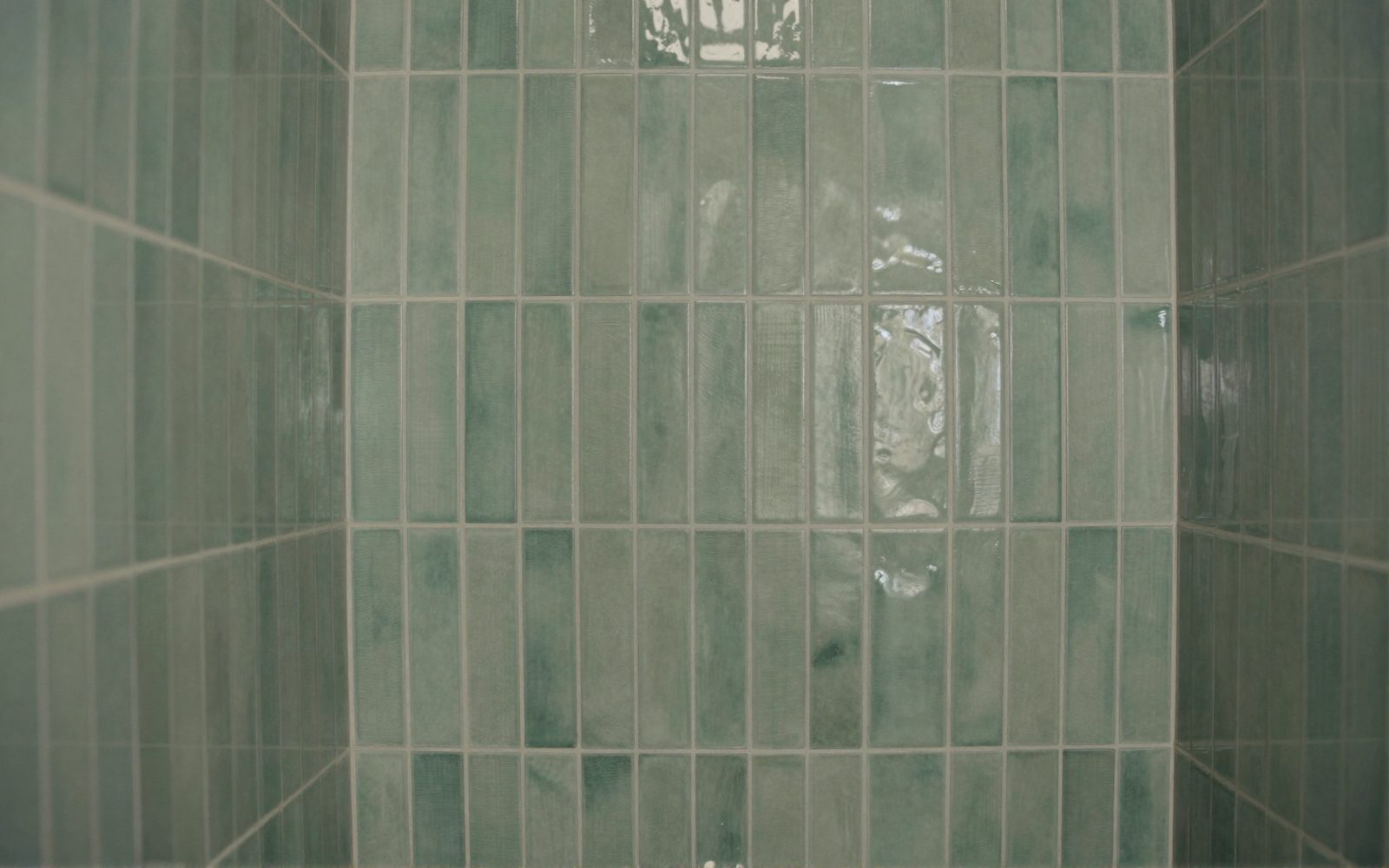 Mosaic tiles $30 to $100/m², more labour per m² (hipages)
Narrow vertical tiles can follow a curve. They are mosaic-priced, $30 to $100 per square metre, but slower to lay, so expect the tiler's rate to be at the upper end.
5. Zellige
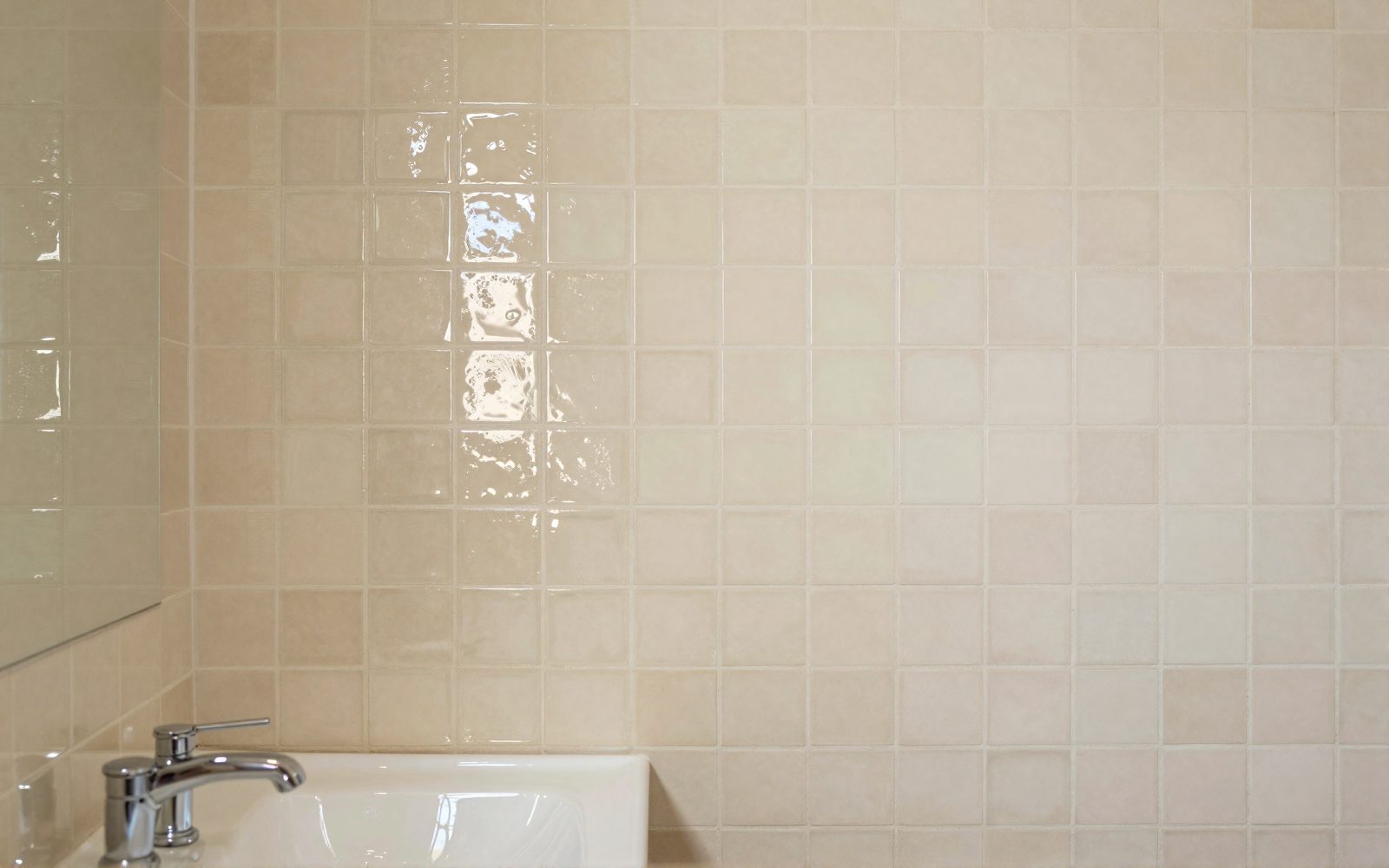 Artisan ceramic wall tiles about $159/m² (hipages)
Irregular glazed tiles give a hand-made shimmer. Artisan ceramic wall tiles cost about $159 per square metre, hipages says.
6. Hexagon mosaic on the floor
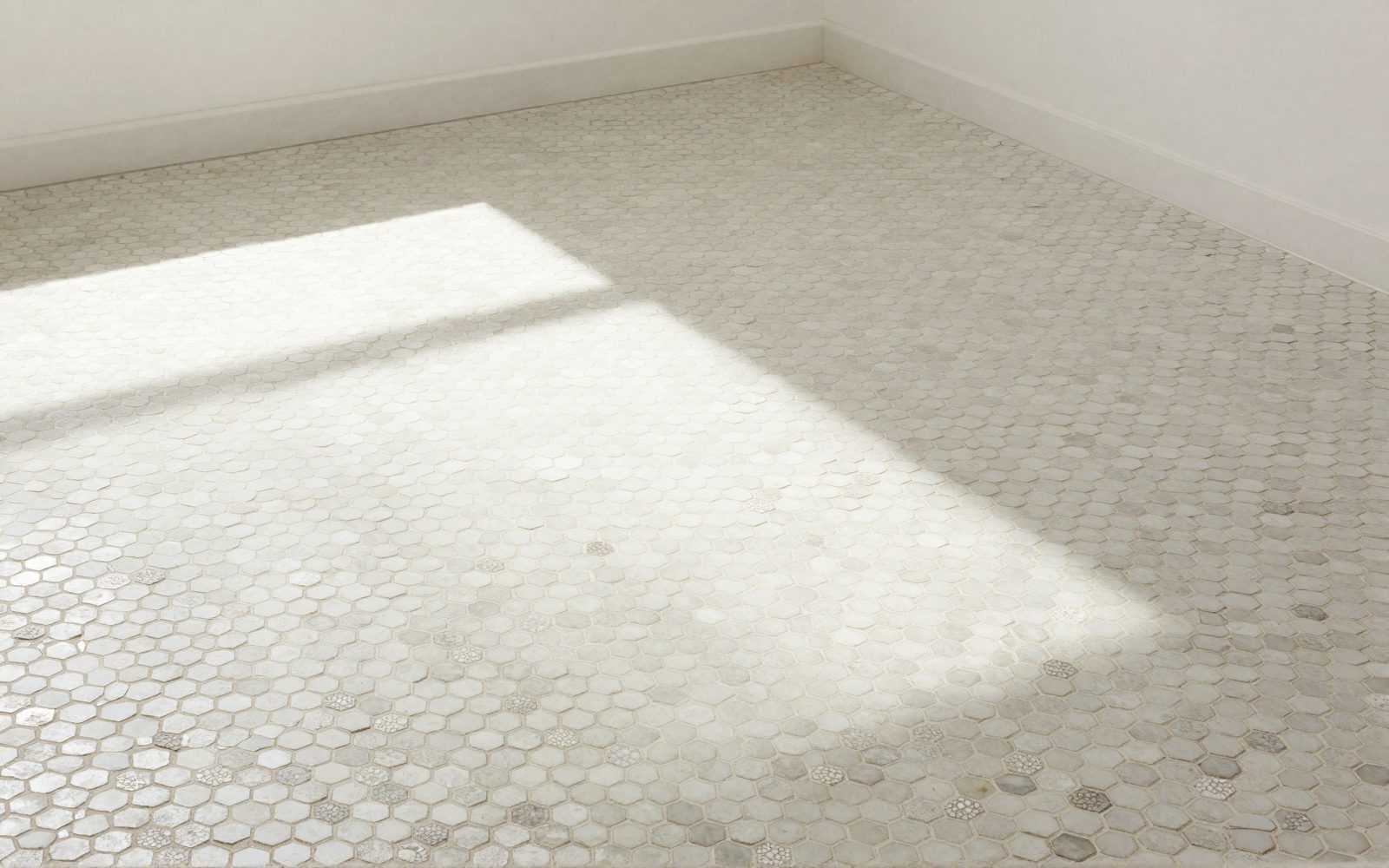 Mosaic floor tiles $30 to $100/m² (hipages)
Small tiles grip better underfoot and suit older houses. Mosaic floor tiles cost $30 to $100 per square metre.
Choosing tiles by where they go
| Where | What matters | Good choices |
|---|---|---|
| Bathroom floor | Slip resistance when wet, durability | Matt or textured porcelain, small mosaics |
| Shower floor | Grip, falls to the drain | Mosaics, small tiles, textured porcelain |
| Walls | Looks, ease of cleaning | Gloss ceramic, subway, zellige, large format |
| Feature wall | Pattern, texture | Finger tiles, terrazzo, handmade tiles |
| Niche | Small cuts, a frame | The wall tile, or a contrasting mosaic |
Floor tiles in wet areas need enough slip resistance. Australian tiles are rated for slip resistance on a P scale; ask your tile shop which rating suits a bathroom floor and a shower floor, and do not use a gloss wall tile on the floor.
Porcelain, ceramic or stone
Ceramic tiles are the cheapest and easiest to cut, and suit walls. Porcelain is denser and harder, absorbs less water, and is the usual choice for floors and large formats. Natural stone such as marble or travertine looks beautiful but needs sealing and gentle cleaners, and can stain or etch. Stone-look porcelain gives the look with less care.
Sizes and layouts
Tile size changes the room as much as colour. Large-format tiles mean fewer grout lines and a calmer look, but need very flat walls and floors, which adds preparation. Small tiles and mosaics follow falls in a shower floor and grip underfoot, but have more grout to clean.
The layout pattern matters too:
- Stack bond (tiles in a straight grid) looks modern and suits large tiles.
- Brick bond (offset by half) is the classic subway look.
- Herringbone and chevron add movement, but need more cuts and more tiler's time.
- Vertical stacking of long tiles makes a low ceiling look higher.
Patterns with many cuts can add 10 to 20 per cent to tiling time, so ask for the pattern to be priced.
Grout and trims
Grout colour can change the whole look. Matching grout makes tiles read as one surface; contrasting grout shows the pattern. Grey grouts hide dirt better than white on floors. Epoxy grout costs more but resists stains and mould in showers. Finish exposed tile edges with metal trims or mitred corners rather than raw edges.
Feature walls or full height
Tiling every wall to the ceiling looks luxurious and is easy to clean, but costs more in tiles and labour. A common compromise is full-height tiles in the shower and behind the vanity, with the other walls painted with a wet-area paint. A single feature wall of a special tile, such as zellige or finger tiles, gives impact for a smaller area of an expensive tile.
How many tiles to buy
Measure every surface, multiply length by height for walls and length by width for floors, and add 10 per cent for cuts and breakages; add 15 per cent or more for herringbone, chevron or diagonal layouts. Buy all your tiles from one batch, check the batch numbers on the boxes, and keep a few spare tiles in case one cracks later.
Looking after tiled surfaces
Wipe showers down after use, clean grout with a mild cleaner and a soft brush, and avoid acid cleaners on stone and cement-based grout. Reseal natural stone and unsealed grout as the supplier recommends. Replace mouldy silicone in corners and around the shower screen before water gets behind it.
Choosing tiles in the shop
Take home samples and look at them in your bathroom, in daylight and at night under your lights. Lay a few tiles together, because one tile looks different from a wall of them. Ask the shop about lead times; special-order and handmade tiles can take weeks to arrive and delay the job.
Colours that work in bathrooms
White and off-white tiles remain the safest choice for resale and make small rooms feel bigger. Warm neutrals such as sand, oatmeal and soft clay feel calmer than stark white and are popular in 2026. Greens, from sage to deep bottle green, bring a natural feel and work well with timber vanities and brass tapware. Dark tiles such as charcoal or black look dramatic in a large, well-lit bathroom but show water marks and soap scum more than mid tones. Whatever the colour, look at a large sample in your bathroom's own light before you commit.
Mixing tiles
Many of the best bathrooms use two or three tiles: one on the floor, one on the walls, and sometimes a feature tile in the shower or the niche. Keep the mix calm by choosing tiles that share a colour or a finish, by using one tile as the quiet background, and by changing tile at a natural edge such as the end of the shower or the top of the vanity. More than three tiles in a small room usually looks busy.
Tiles for older houses
In a Federation or Californian bungalow, tiles that suit the era help the bathroom feel part of the house: small white hexagons or black and white mosaics on the floor, white subway tiles in brick bond on the walls, and a simple tiled skirting. In a mid-century house, coloured square tiles and terrazzo suit the period. You do not have to copy the past, but borrowing its tiles keeps a new bathroom from looking out of place.
Tiles for showers
In the shower, choose tiles you can keep clean. Gloss tiles wipe down easily on walls, while textured or small floor tiles give grip underfoot. A linear drain lets you use larger floor tiles with a single fall, while a centre drain usually needs smaller tiles that can follow four falls. Avoid very porous natural stone on a shower floor unless you are prepared to seal it regularly.
Budget tiles that look expensive
Plain white ceramic wall tiles in a good layout, such as vertical stack bond or a neat brick bond with a fine grout line, can look far more expensive than they are. Spend on one feature tile in a small area, such as the niche or the vanity wall, and use a budget tile everywhere else. A good tiler with straight lines and clean corners makes any tile look better.
Tile trends in 2026
Handmade-look tiles, zellige, finger tiles, terrazzo and large stone-look porcelain are all popular in 2026, along with warm earthy colours and matt finishes. Trends change, so if you plan to sell within a few years, keep trend tiles to small areas and use a classic tile for the rest.
Wall tile ideas for a small bathroom
In a small bathroom, the wall tiles do most of the work. Running a single pale tile from floor to ceiling on every wall makes the edges of the room disappear. Laying long rectangular tiles vertically draws the eye up and makes a low ceiling look higher. A slightly glossy tile reflects light from the window and the mirror around the room. Keep grout lines fine and in a colour close to the tile, so the walls read as one surface. If you want pattern, use it on the floor, where it grounds the room, rather than on every wall.
Floor tile ideas
The floor is the hardest-working surface in a bathroom. Matt porcelain in a mid tone hides water marks and footprints better than gloss white or black. Small hexagon or penny-round mosaics grip well and suit heritage homes. Large stone-look porcelain on the floor continued up one wall makes a strong, simple statement. Patterned encaustic-look tiles add character to a plain room, but choose a pattern you will still like in ten years, because floor tiles are the hardest to change.
Shower niche tile ideas
A niche is a small area, so it is the cheapest place to use a special tile. Line it with a contrasting mosaic, frame it with a metal trim, or continue the wall tile through it so it almost disappears. Size the niche to the tile layout so you are not left with thin slivers of cut tile, and slope the bottom shelf slightly so water runs out.
Questions to ask your tiler
Before tiling starts, agree where the layout will start so the cut tiles fall at the least visible edges, how the niche, the vanity and the shower screen will line up with the grout lines, which grout colour and trim you have chosen, and how the tiles will meet the floor waste and the shower drain. These small decisions make the difference between a good tiling job and a beautiful one.
Matching tiles to tapware and vanities
Tiles, tapware and the vanity should be chosen together. Warm tiles in clay, sand and terracotta tones suit brushed brass and timber; cool greys and white suit chrome and matte black; green tiles pair well with brass and pale oak. Bring a sample of your vanity finish and tapware to the tile shop, or photos at least, and look at them side by side. A coordinated palette of three or four materials looks considered, while too many finishes look accidental.
How tiles affect the budget
Tile choice changes the whole renovation budget, not just the tile line. Large-format and handmade tiles cost more to lay; complex patterns add cuts and time; stone needs sealing; and full-height tiling multiplies the area. On the other hand, a well-chosen plain tile in a neat layout can let you spend more on the vanity or the shower. Price two or three tile options with your tiler before you decide, using the tiling cost guide as a starting point.
Laundry and powder room tiles
The same ideas work in the laundry and powder room, often at lower cost because the areas are small. A powder room is the place for a bold tile you might not want in the main bathroom: a deep colour, a strong pattern or a handmade zellige that would be too much over a whole shower. In the laundry, choose a hard-wearing floor tile that copes with water and a simple wall tile behind the tub and bench, and carry the floor tile through from an adjoining bathroom or kitchen if you can, so the house reads as one. A small tiled area in an expensive tile costs far less in total than the same tile across a whole bathroom, so these rooms are the easiest way to try a tile you love.
Sealing and grout for longer-lasting tiles
Most glazed ceramic and porcelain tiles need no sealing, but the grout between them does benefit from a penetrating sealer in showers, applied once the grout has cured. Natural stone, terracotta and some handmade tiles need sealing before grouting and again every few years, which is a cost and a chore to weigh up before you choose them. If you want the look of stone without the upkeep, porcelain is the practical choice for floors and showers.
What a tiled bathroom costs
See our tiling cost guide for the full per-square-metre table, and bathroom renovation costs for the whole room.
Common questions
What tiles make a small bathroom look bigger?
Large-format tiles with few grout lines, in a pale colour, run floor to ceiling.
How much does it cost to tile a bathroom?
For an average 3 m by 2 m bathroom, hipages puts the tiles at about $2,200, with labour of $45 to $150 per square metre on top.